Rising energy costs continue to be a concern for homeowners, especially in regions where seasonal temperature changes place extra strain on heating and cooling systems. While many people focus on upgrading HVAC equipment or improving insulation, attic ventilation is often overlooked despite its major impact on energy efficiency. When heat and moisture become trapped in the attic, the entire home is forced to work harder to stay comfortable.
Proper attic fan ventilation in Arvada plays a crucial role in controlling attic temperatures, reducing heat transfer, and lowering overall energy consumption. By actively removing hot air and promoting continuous airflow, attic fans help homes operate more efficiently while protecting long-term structural integrity.
The Connection Between Attic Heat and Energy Loss
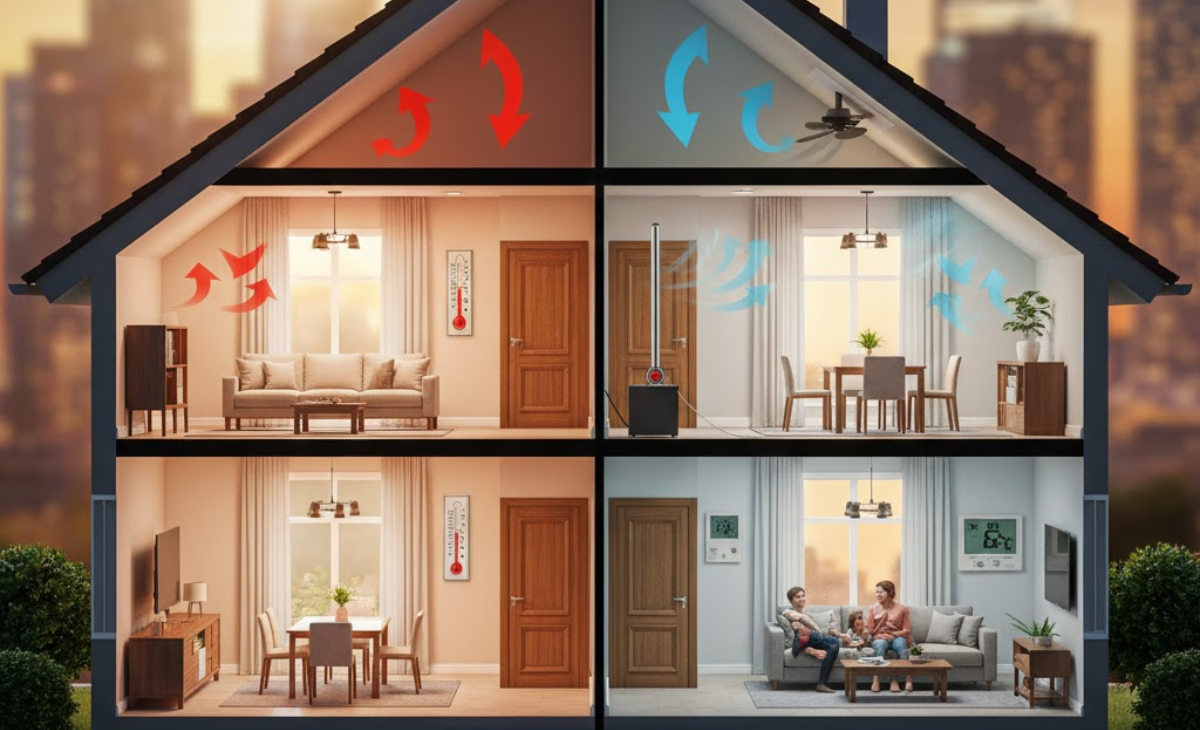
Attics are one of the primary sources of unwanted heat gain in a home. During warmer months, sunlight heats the roof, causing attic temperatures to climb far beyond outdoor levels. This trapped heat radiates downward into living spaces, increasing indoor temperatures even when air conditioning systems are running.
As indoor temperatures rise, cooling systems are forced to cycle more frequently and for longer durations. This increased workload results in higher electricity usage and inflated utility bills. Attic fan ventilation addresses this issue at the source by removing excess heat before it impacts the rest of the home.
How Attic Fans Improve Energy Efficiency
Attic fans work by exhausting hot, stagnant air from the attic while drawing in cooler outside air through intake vents. This continuous exchange of air prevents heat buildup and keeps attic temperatures closer to ambient outdoor conditions.
When attic temperatures are reduced, the temperature difference between the attic and living space narrows. This significantly limits heat transfer through ceilings and insulation. Homes with properly installed attic fans often experience more stable indoor temperatures and reduced reliance on air conditioning, leading to lower energy costs.
Reduced Strain on Cooling Systems
Cooling systems are designed to maintain comfort, not compensate for extreme attic heat. When hot air accumulates above the living space, HVAC systems must work harder to counteract the additional heat load. This not only increases energy consumption but also accelerates wear on system components.
Attic fan ventilation supports cooling efficiency by lowering attic temperatures and reducing the amount of heat entering the home. With less heat to manage, HVAC systems operate more efficiently, cycle less frequently, and consume less energy overall.
Lowering Energy Bills During Peak Summer Months
Energy usage typically spikes during summer when cooling demands are highest. Homes without adequate attic ventilation often experience sharp increases in utility bills as air conditioners struggle to maintain comfortable temperatures.
Installing attic fans helps mitigate these spikes by limiting heat accumulation at the roof level. Homeowners who invest in attic fan ventilation in Arvada often notice improved cooling performance and more manageable energy bills during peak summer months.
Preventing Heat Transfer Through Insulation
Insulation slows heat transfer, but it cannot fully compensate for excessive attic temperatures. When the attic becomes extremely hot, insulation is exposed to prolonged thermal stress, reducing its effectiveness over time.
Attic fans help preserve insulation performance by maintaining cooler attic conditions. By reducing the temperature difference across insulation layers, attic ventilation allows insulation to function as intended, contributing to sustained energy efficiency.
Moisture Control and Energy Savings
Moisture buildup in the attic is another hidden contributor to energy loss. Damp insulation loses its thermal resistance, allowing more heat to pass through into living spaces. Moisture can also promote mold growth and material degradation, further reducing efficiency.
Attic fan ventilation removes moisture-laden air before it can condense on surfaces. This keeps insulation dry and effective, supporting consistent energy performance throughout the year.
Impact on Ductwork Efficiency
In many homes, HVAC ductwork runs through the attic. When attic temperatures rise, ducts absorb heat, causing cooled air to warm before reaching living areas. This reduces system efficiency and forces longer run times.
By lowering attic temperatures, attic fans help maintain cooler duct surfaces. This ensures that conditioned air reaches rooms at the intended temperature, improving comfort while reducing energy waste.
Seasonal Benefits Beyond Summer
Although attic fans are most commonly associated with summer cooling, they offer year-round energy benefits. In winter, proper ventilation helps regulate moisture levels and prevent condensation that can degrade insulation and structural materials.
Balanced airflow also reduces the likelihood of ice dams by maintaining consistent roof temperatures. These seasonal advantages contribute to stable energy performance and help avoid costly repairs.
Attic Fan Ventilation as a Long-Term Investment
While attic fan installation involves an upfront cost, the long-term energy savings can be substantial. Reduced cooling expenses, lower HVAC maintenance costs, and extended equipment lifespan all contribute to financial benefits over time.
Homes equipped with well-designed attic ventilation systems often enjoy improved energy efficiency year after year. This makes attic fans a smart investment for homeowners seeking lasting cost reductions rather than short-term fixes.
Importance of Proper System Design
The effectiveness of attic fan ventilation depends heavily on correct design and installation. Fans must be properly sized for the attic space and supported by sufficient intake ventilation to maintain balanced airflow.
Poorly designed systems may underperform or create pressure imbalances. Professional assessment ensures that attic fans work efficiently and deliver maximum energy savings without unintended consequences.
Energy Savings and Home Comfort
Beyond financial benefits, attic fan ventilation improves overall home comfort. Reduced heat transfer leads to more consistent indoor temperatures, fewer hot spots, and less temperature variation between floors.
This enhanced comfort reduces the need for constant thermostat adjustments and minimizes energy waste caused by overcooling or inefficient system operation.
Frequently Asked Questions
1. Can attic fan ventilation really reduce energy costs?
Yes. By lowering attic temperatures and reducing heat transfer, attic fans decrease cooling demand and energy usage.
2. Are attic fans effective in all climates?
Attic fans are beneficial in most climates, particularly where summer heat or seasonal moisture is a concern.
3. Will attic fans increase electricity usage?
The energy used by attic fans is minimal compared to the energy savings achieved through reduced HVAC operation.
4. How long does it take to see energy savings?
Many homeowners notice improved comfort immediately and reduced energy bills within the first cooling season.
5. Is professional installation necessary?
Yes. Proper sizing, placement, and airflow balance are critical to achieving optimal energy savings.
Conclusion
Attic fan ventilation is a powerful yet often underestimated tool for reducing energy costs. By controlling heat buildup, managing moisture, and supporting HVAC efficiency, attic fans help homes operate more efficiently throughout the year. Homeowners who invest in attic fan ventilation in Arvada benefit from lower utility bills, improved comfort, and long-term protection of their home’s structure.
For homeowners seeking expert solutions that deliver lasting energy savings, Guardian Home Energy provides professional attic fan ventilation systems designed to improve efficiency, comfort, and overall home performance.