Many homeowners hear about attic fan ventilation but aren’t sure whether it’s a necessity or just another optional home upgrade. Because attic spaces are rarely visited, issues developing there can remain hidden for years. However, the attic plays a major role in regulating heat, moisture, and energy flow throughout the entire home. Ignoring ventilation needs can lead to higher energy costs, comfort problems, and avoidable structural damage.
For homes experiencing temperature imbalances or rising utility bills, attic fan ventilation in Arvada may be more than just beneficial—it may be essential. Understanding when attic fan ventilation is truly needed helps homeowners make informed decisions rather than reactive repairs.
Why the Attic Has Such a Big Impact on Your Home
The attic sits directly beneath the roof, making it the first space to absorb solar heat. During warm months, roofing materials trap and radiate heat downward. Without a reliable way for that heat to escape, it accumulates rapidly.
This trapped heat doesn’t stay confined to the attic. It transfers into ceilings, walls, and upper floors, raising indoor temperatures and forcing cooling systems to compensate. Over time, this constant heat exposure affects comfort, efficiency, and building materials.
When Passive Ventilation Is No Longer Enough
Many homes rely solely on passive ventilation, such as ridge vents or gable vents. While these systems allow some airflow, they depend heavily on wind and temperature differences to function effectively. During extremely hot or still days, passive ventilation often fails to move enough air.
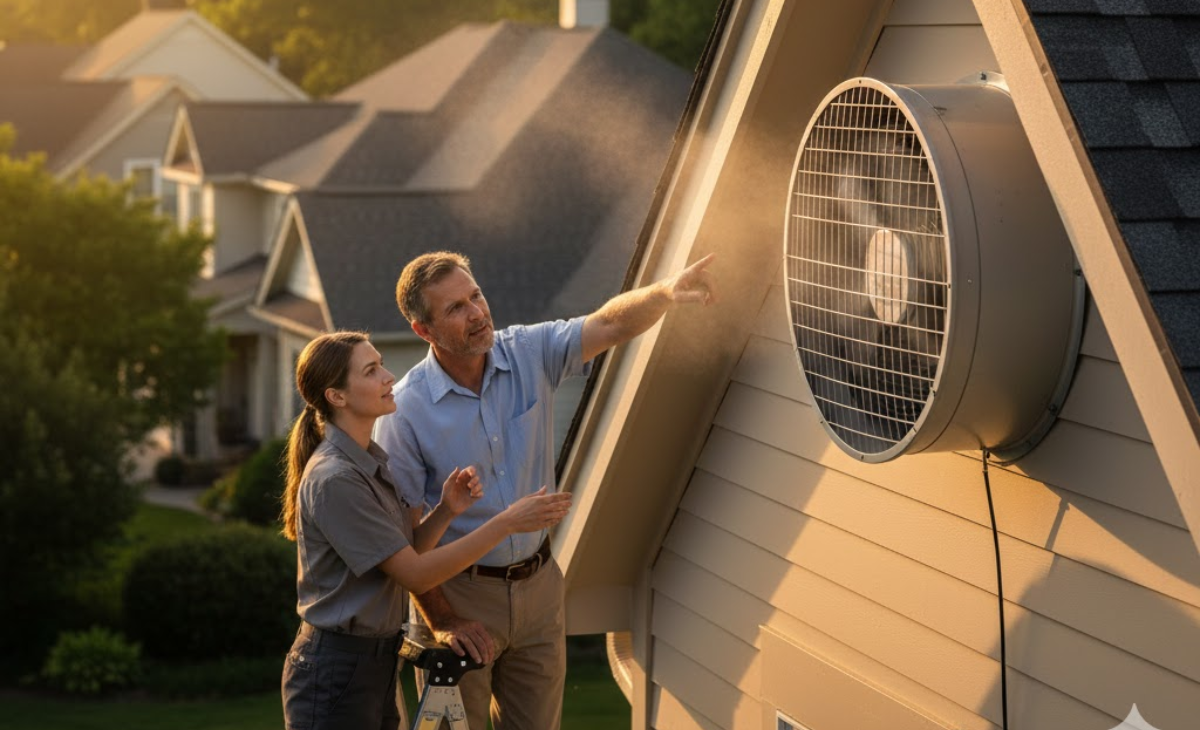
Attic fans provide active ventilation by mechanically pulling hot air out of the attic. This consistent airflow makes a noticeable difference when passive systems alone cannot keep attic temperatures under control.
How to Tell If Your Home Actually Needs an Attic Fan
Not every home requires attic fan ventilation, but certain conditions strongly indicate the need. If upper floors remain noticeably warmer than lower levels, even with adequate cooling, attic heat may be the cause. Another common sign is an HVAC system that runs frequently but struggles to maintain set temperatures.
Additional indicators include rapidly aging roofing materials, excessive attic heat when inspected, and unexplained increases in summer energy bills. Homes showing these symptoms often benefit significantly from attic fan ventilation in Arvada, especially during prolonged warm periods.
The Hidden Cost of Ignoring Attic Heat
When attic heat is left unmanaged, the financial impact extends beyond energy bills. Roofing materials exposed to extreme temperatures degrade faster, shortening their lifespan. Insulation can lose effectiveness when exposed to prolonged heat, making it harder to regulate indoor temperatures.
Over time, these issues lead to more frequent repairs, higher maintenance costs, and premature system replacements. Attic fan ventilation addresses these risks by keeping attic conditions within safer temperature ranges.
Moisture: The Often Overlooked Factor
Heat isn’t the only concern in poorly ventilated attics. Moisture buildup is a serious issue that often goes unnoticed until damage appears. Warm air carrying moisture rises from living spaces and enters the attic, where it can condense on cooler surfaces.
Without proper airflow, moisture leads to mold growth, wood deterioration, and insulation damage. Attic fans help expel moist air before condensation occurs, protecting both indoor air quality and structural components.
Energy Efficiency Starts at the Top
Many homeowners focus on upgrading HVAC systems without addressing attic conditions. However, even the most efficient system struggles if excess heat constantly enters the home from above.
Attic fan ventilation reduces the thermal load placed on cooling systems. With less heat entering the living space, HVAC equipment runs more efficiently, cycles less frequently, and consumes less energy overall.
Does an Attic Fan Always Reduce Energy Bills?
While attic fans don’t directly cool living spaces, they reduce the conditions that cause energy waste. By lowering attic temperatures, they limit heat transfer and reduce the workload on cooling systems.
Homes that experience significant attic heat buildup typically see noticeable energy savings after installing attic fans. The level of savings depends on attic size, insulation quality, climate conditions, and system design.
Installation Quality Determines Effectiveness
An attic fan’s performance depends heavily on proper installation. Fans must be correctly sized for the attic space and paired with adequate intake ventilation. Without sufficient intake airflow, fans cannot operate efficiently and may even draw conditioned air from the home.
Professional design ensures balanced airflow and optimal fan placement. This approach maximizes benefits while preventing unintended pressure issues that can reduce system effectiveness.
Are Attic Fans Worth It for Older Homes?
Older homes often lack modern ventilation standards. Many were built before current energy-efficiency practices became common, making them especially vulnerable to attic heat and moisture problems.
In these cases, attic fan ventilation can provide substantial improvements without major structural changes. Properly installed systems modernize airflow and significantly improve overall home performance.
Seasonal Performance Considerations
Attic fan ventilation is often associated with summer cooling, but its value extends beyond warm months. In cooler seasons, proper ventilation helps manage moisture levels and prevents condensation-related damage.
Balanced airflow also contributes to more consistent roof temperatures, reducing the likelihood of winter-related issues such as ice dams. This year-round functionality makes attic fans a versatile home improvement.
Long-Term Value Versus Short-Term Fixes
Some homeowners attempt temporary solutions, such as increasing thermostat usage or adding portable cooling devices. These approaches increase energy consumption without addressing the root cause.
Attic fan ventilation offers a long-term solution by improving airflow at the source. Over time, this reduces operational costs, minimizes maintenance needs, and protects major home components.
Frequently Asked Questions
1. Is attic fan ventilation necessary for every home?
No, but homes with heat buildup, moisture issues, or inefficient cooling often benefit significantly.
2. Can attic fans cause negative pressure problems?
When installed correctly with proper intake ventilation, attic fans operate safely and efficiently.
3. Will an attic fan make my house cooler?
Indirectly, yes. By reducing attic heat, it limits heat transfer into living spaces.
4. How long does installation take?
Most attic fan installations can be completed within a single day, depending on attic access and system complexity.
5. Do attic fans require ongoing maintenance?
Maintenance needs are minimal, typically involving periodic inspections to ensure proper operation.
Conclusion
So, do you really need attic fan ventilation? The answer depends on how your home manages heat, moisture, and energy flow. For many households, attic fan ventilation addresses problems that insulation and HVAC upgrades alone cannot solve. By improving airflow at the top of the home, attic fans reduce energy strain, protect structural components, and enhance indoor comfort.
For homeowners considering attic fan ventilation in Arvada, working with experienced professionals ensures the system is designed correctly and delivers lasting benefits. Guardian Home Energy provides expert attic fan solutions tailored to improve efficiency, comfort, and long-term home performance.