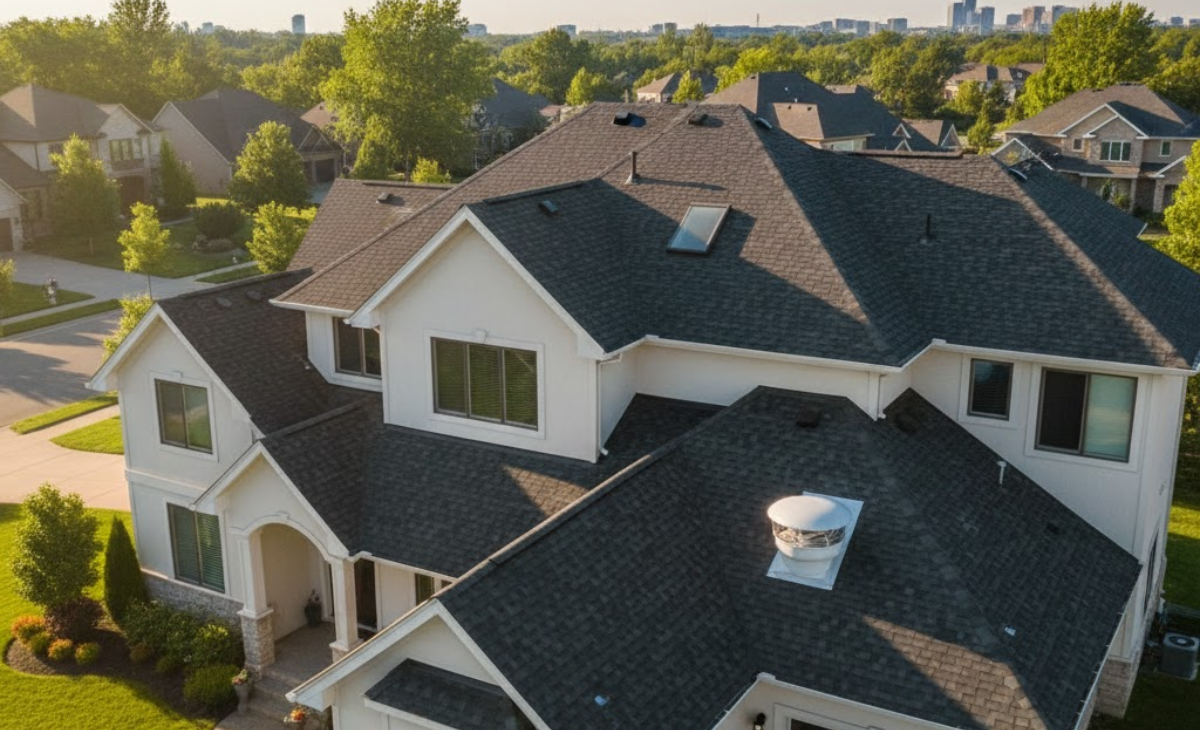
Choosing the right attic fan ventilation system is not a one-size-fits-all decision. Every home has unique characteristics, including roof design, attic size, insulation levels, and exposure to sun and weather. Selecting the correct type of attic fan can significantly influence how well your home manages heat, moisture, and energy efficiency.
For homeowners exploring attic fan ventilation in Arvada, understanding the different options available is the first step toward making a smart, long-term investment. Each type of attic fan offers distinct advantages depending on climate conditions, budget, and performance goals.
Why the Type of Attic Fan Matters
Attic fans are designed to remove hot, stagnant air from the attic and replace it with cooler outdoor air through intake vents. While all attic fans serve this basic purpose, the way they operate, how they are powered, and their airflow capacity can vary widely.
Choosing the wrong type may result in insufficient ventilation, unnecessary energy use, or limited performance benefits. Selecting the right system ensures balanced airflow, improved comfort, and consistent energy savings.
Electric-Powered Attic Fans
Electric attic fans are one of the most common and reliable options for residential ventilation. These fans are powered directly by the home’s electrical system and are typically controlled by thermostats or humidistats. When attic temperatures rise above a preset level, the fan automatically activates to expel hot air.
Electric attic fans are well-suited for homes with large attic spaces or significant heat buildup. They offer consistent performance regardless of weather conditions and can move a high volume of air efficiently. For homes experiencing persistent attic heat, electric fans often provide the strongest ventilation results.
Solar-Powered Attic Fans
Solar attic fans operate using energy generated from integrated solar panels. As sunlight hits the panel, the fan activates and begins removing hot air from the attic. These systems are especially appealing to homeowners seeking energy-efficient or eco-conscious solutions.
Because solar attic fans operate without drawing electricity from the home, they add no operating cost to energy bills. They perform best in areas with consistent sun exposure and are often ideal for reducing peak daytime attic temperatures. For homes with good roof orientation, solar options are a practical choice for attic fan ventilation in Arvada.
Hybrid Attic Fan Systems
Hybrid attic fans combine electric and solar power to deliver consistent performance under varying conditions. These systems primarily rely on solar energy but switch to electric power when sunlight is insufficient, such as during cloudy days or evening hours.
This hybrid approach ensures reliable ventilation throughout the day while still reducing overall electricity usage. Homes that experience fluctuating weather patterns often benefit from the flexibility and efficiency hybrid systems provide.
Gable-Mounted Attic Fans
Gable-mounted attic fans are installed on exterior gable walls rather than the roof. These fans draw hot air out horizontally instead of vertically, making them suitable for homes with accessible gable ends.
One advantage of gable-mounted fans is easier installation and maintenance. They can be effective in attics with good cross-ventilation, but they may not perform as efficiently in complex roof designs where air movement is restricted.
Roof-Mounted Attic Fans
Roof-mounted attic fans are installed directly on the roof surface and are designed to pull hot air upward and out of the attic. These fans are often more effective in removing rising heat and are commonly paired with soffit vents for balanced airflow.
Roof-mounted fans are highly effective for homes with limited gable access or steep roof designs. Proper installation is critical to prevent leaks and ensure optimal performance.
Whole-House Attic Fans vs. Attic Exhaust Fans
It’s important to distinguish between attic exhaust fans and whole-house fans. Attic exhaust fans focus solely on removing hot air from the attic space, while whole-house fans draw air through living spaces and vent it through the attic.
While whole-house fans provide rapid cooling, they serve a different purpose and are not a replacement for attic ventilation. Many homes benefit from attic exhaust fans specifically designed to control attic heat and moisture.
Choosing the Right Fan Size and Capacity
Fan size and airflow capacity are critical factors when selecting attic ventilation. Fans that are too small may fail to move enough air, while oversized fans can disrupt airflow balance.
Professional assessment ensures the fan is properly matched to attic square footage, insulation levels, and ventilation layout. Correct sizing is essential for achieving consistent results without creating pressure issues.
Noise Levels and Comfort Considerations
Modern attic fans are designed to operate quietly, but noise levels can still vary by type and quality. Roof-mounted and solar fans are generally less noticeable inside the home, while some electric models may produce more audible sound if improperly installed.
Choosing high-quality equipment and ensuring proper placement helps minimize noise and maximize comfort throughout the home.
Climate and Sun Exposure Factors
Climate plays a significant role in determining which attic fan is most effective. Homes exposed to intense sun benefit greatly from solar or hybrid fans, while shaded properties may require electric-powered systems for consistent airflow.
For homes evaluating attic fan ventilation in Arvada, considering roof orientation, sun exposure, and seasonal temperature patterns helps narrow down the most effective solution.
Installation Quality Impacts Performance
Regardless of fan type, proper installation determines how well the system performs. Adequate intake ventilation, correct placement, and proper sealing are essential to avoid air leaks and inefficiencies.
A poorly installed attic fan may underperform or fail to deliver energy savings. Professional design ensures that airflow remains balanced and effective across all attic conditions.
Long-Term Efficiency and Home Value
Installing the right attic fan improves energy efficiency, protects roofing materials, and supports HVAC performance. These benefits contribute to lower energy costs, reduced maintenance needs, and improved long-term home value.
Homes with well-designed ventilation systems are also more attractive to buyers who prioritize efficiency and comfort.
Frequently Asked Questions
1. Which attic fan type is the most energy-efficient?
Solar attic fans are the most energy-efficient since they operate using renewable energy.
2. Are electric attic fans expensive to operate?
Electric attic fans use minimal electricity compared to the energy savings they help generate.
3. Can I install more than one attic fan?
Yes, larger attics may require multiple fans for balanced airflow.
4. Do attic fans work with existing vents?
Yes, attic fans are designed to work alongside soffit, ridge, or gable vents.
5. How long do attic fans typically last?
High-quality attic fans can last 10–20 years with proper installation.
Conclusion
Selecting the best type of attic fan ventilation depends on your home’s layout, climate exposure, and performance goals. Whether electric, solar, hybrid, gable-mounted, or roof-mounted, the right system can dramatically improve airflow, reduce heat buildup, and enhance energy efficiency. Homeowners investing in attic fan ventilation in Arvada benefit most when the system is carefully selected and professionally installed to match their specific needs.
For expert guidance and reliable installation, Guardian Home Energy provides tailored attic fan ventilation solutions designed to improve comfort, efficiency, and long-term home protection.