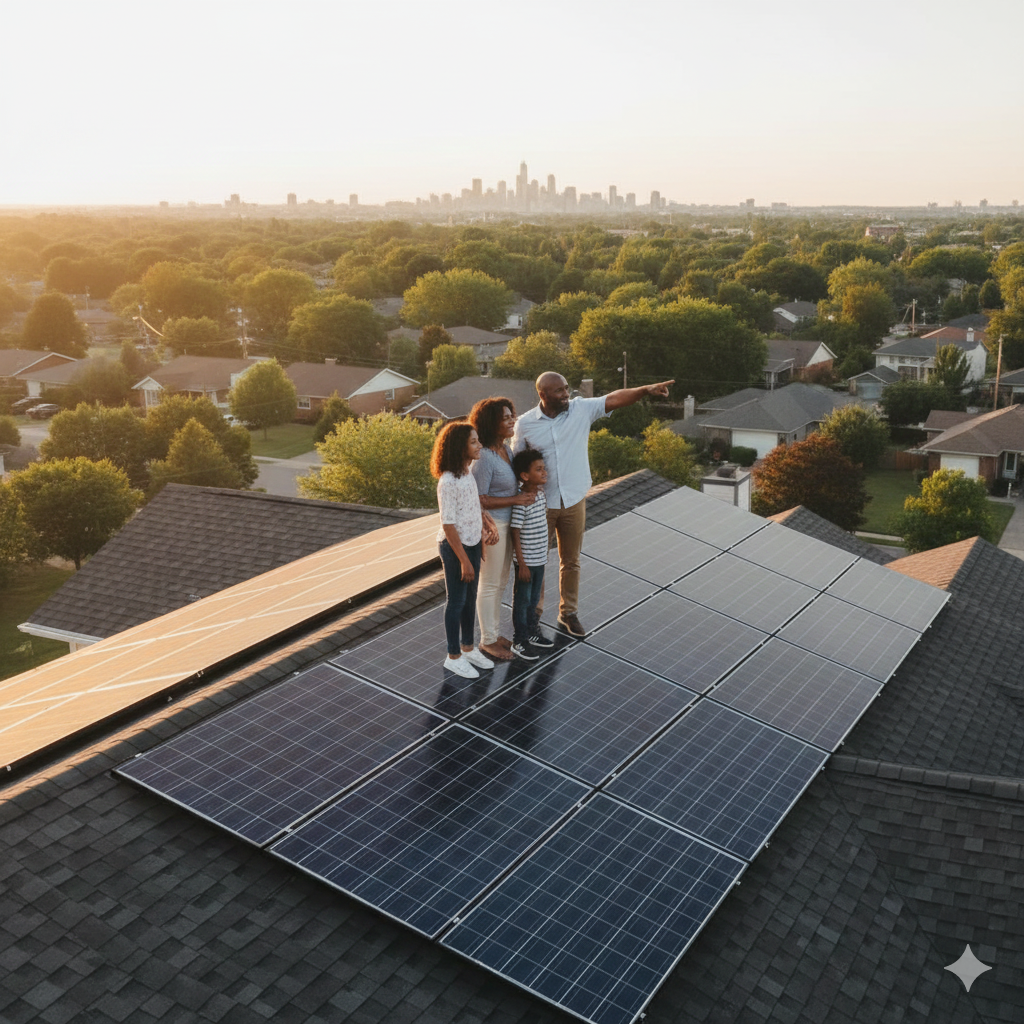
Many homeowners today are searching for reliable ways to reduce rising utility costs, and one of the most effective strategies is investing in solar energy savings solutions. These systems allow households to generate clean, renewable power from sunlight rather than relying solely on expensive grid electricity. By doing so, they significantly lower electric bills, reduce carbon emissions, and increase long-term home value — all while contributing to a more sustainable future.
How Do Solar Energy Savings Solutions Reduce Monthly Electricity Bills?
Solar energy savings solutions begin delivering financial advantages immediately because homeowners start producing their own energy the moment the photovoltaic (PV) system becomes operational. Instead of pulling power exclusively from the electrical grid, households utilize sunlight to meet a large portion of their daily energy consumption. This shift reduces dependency on utility providers, which is especially beneficial in states where electricity prices continue to increase each year.
Another crucial money-saving factor is how solar systems operate throughout the day. When sunlight is abundant — typically between late morning and early afternoon — solar panels can generate more electricity than a property currently needs. This surplus can then be fed back into the grid through net metering programs, which offer bill credits in return. Over time, these credits can offset the cost of electricity used during nighttime hours when panels are inactive, leading to substantial monthly savings.
Solar panels also provide energy predictability. Instead of worrying about utility rate hikes, homeowners enjoy greater control over their long-term expenses. With modern monitoring software, they can track energy production in real time and make smarter consumption decisions. The combination of clean power generation, energy efficiency, and favorable billing programs makes these solutions a powerful way to shrink recurring expenses.
What Factors Influence the Effectiveness of Solar Energy Savings Solutions?
Solar energy savings solutions do not produce identical results for every homeowner. Location plays an essential role because sunlight availability varies by region. Properties in areas with long, sunny seasons naturally experience higher energy production and faster return on investment. Roof angle and orientation also matter, as south-facing rooftops with minimal shading are ideal for optimum solar output.
System size is another key contributing element. Smaller systems may only reduce a fraction of a household’s electricity usage, while larger installations can cover most or even all of the home’s energy needs. Battery storage enhances savings even further by storing excess daytime electricity for later use. Instead of paying higher peak-time utility prices in the late afternoon or evening, homeowners can tap into stored solar power.
Household consumption patterns influence savings as well. Properties filled with older appliances, inefficient lighting, or poor insulation may require more electricity than solar panels can consistently produce. In these cases, pairing a solar system with energy-efficient upgrades creates a more complete savings strategy. The combination ensures that every kilowatt-hour produced is used responsibly and effectively.
Are Solar Energy Savings Solutions Worth It for the Average Homeowner?
For most homeowners, yes — the financial and environmental advantages of going solar outweigh the upfront investment. Research shows that homeowners typically see a reduction of 40% to 70% in their monthly electricity bills, depending on system size and utility rates. Many solar installations pay for themselves within seven to ten years and continue generating free power for decades afterward, making them a long-term cost-saving asset.
Additionally, solar technology requires minimal maintenance. Modern PV panels are built with durable materials designed to withstand weather, debris, and temperature fluctuations. Occasional cleaning and routine system checks help ensure maximum efficiency. Because solar panels have no moving parts, wear and tear is minimal, and system performance remains steady year after year.
Another benefit is that homes equipped with solar power are becoming increasingly attractive to buyers. As energy costs rise, home shoppers actively seek properties with lower operating expenses. A solar-powered home often sells faster — and at a higher price — because future owners recognize the value of built-in, long-term savings.
How Do Government Incentives Support Solar Energy Savings Solutions?
Federal, state, and local programs in the United States encourage solar adoption by lowering initial installation costs. The most widely used incentive is the Federal Investment Tax Credit (ITC), which allows eligible homeowners to deduct a significant percentage of their solar installation costs from federal income taxes. This credit alone dramatically improves the affordability of solar systems.
Many states and municipalities also offer rebates, property tax exemptions, and renewable energy grants. These incentives help shorten the payback period and increase the financial return on investment. Some regions support community solar programs, allowing residents without suitable rooftops — such as renters or condo owners — to subscribe to shared solar farms and enjoy bill savings without installing panels.
Utilities sometimes provide performance-based incentives or net metering programs that give credit for surplus energy sent to the grid. When combined, these financial mechanisms make solar not just environmentally responsible but economically practical for the everyday homeowner.
Understanding the Core Components of Solar Energy Savings Solutions
Solar energy savings solutions consist of several interconnected components that work together to generate, store, manage, and deliver affordable clean power. Each part contributes to maximum energy efficiency and financial savings.
Solar Panels
PV panels absorb sunlight and convert it into direct current (DC) electricity. Their efficiency level — measured by the percentage of sunlight converted into power — determines how much energy the system can produce in a given space.
Inverters
Since homes run on alternating current (AC), inverters transform DC electricity into usable AC power. Modern string, micro, and hybrid inverters vary in efficiency, monitoring capabilities, and shading tolerance.
Battery Storage
Optional but valuable, home batteries store unused daytime energy for nighttime use or emergency situations. They enhance energy independence and reduce reliance on peak-rate utility power.
Monitoring Systems
Smart monitoring dashboards track production, efficiency, and usage trends. These tools help homeowners understand when and how solar energy is best consumed.
Mounting and Racking Systems
Secure roof or ground mounts ensure optimal panel positioning and long-term stability.
By fully understanding these components, homeowners can select systems designed to meet long-term financial and energy goals.
How Do Solar Batteries Enhance Solar Energy Savings Solutions?
Battery storage provides one of the most transformative benefits in modern solar technology. Without batteries, households still rely on the electrical grid at night or during low-sun periods. However, when paired with energy storage, homeowners can use solar power 24/7 and significantly reduce utility dependence.
Batteries maximize net metering benefits by allowing households to store extra energy instead of sending it back to the grid at low credit rates. Later, when utility prices increase — particularly during peak evening hours — residents can rely on stored solar energy and avoid higher charges.
Storage systems also provide powerful backup protection. During storms, grid outages, or natural disasters, solar-equipped homes with batteries maintain access to critical appliances, medical equipment, lighting, and refrigeration. This reliability enhances safety and comfort, making batteries appealing for homeowners in areas with unstable grid infrastructure.
The Role of Home Energy Efficiency in Maximizing Solar Savings
Solar panels generate power, but energy-efficient homes determine how far those savings go. Improving insulation, updating windows, and sealing cracks prevent conditioned air from escaping, which reduces heating and cooling needs. Since HVAC systems typically consume the most energy in American homes, even small upgrades can lead to meaningful reductions in electricity usage.
Switching to LED light bulbs, installing smart thermostats, and replacing outdated appliances with ENERGY STAR-certified models further lower electricity consumption. When appliances are used during daylight hours — especially washers, dryers, and dishwashers — homeowners take full advantage of solar production.
This layered approach ensures solar power is consumed intelligently rather than wasted, which increases overall energy savings and improves system performance.
Realistic Savings Expectations With Solar Energy Savings Solutions
The actual dollar amount homeowners save depends on their geographic location, energy consumption, and installation strategy. However, the trend is clear — solar consistently provides measurable utility bill reductions.
Average Monthly Savings After Going Solar
| Home Type | Average Monthly Bill Before Solar | Average Monthly Bill After Solar | Estimated Savings |
| Small Single-Family | $130 | $65 | 50% |
| Medium Single-Family | $185 | $95 | 48% |
| Large Home | $260 | $130 | 50% |
| Home With Battery | $275 | $110 | 60% |
These numbers reflect nationwide averages and may increase in states with higher electricity prices such as California, New York, or Hawaii. Over 20–25 years — the typical lifespan of solar panels — many homeowners save tens of thousands of dollars.
How Do Utility Rate Structures Affect Solar Energy Savings Solutions?
One of the most overlooked benefits of going solar is protection against rising electricity rates. Utility companies frequently raise prices due to infrastructure upgrades, fuel market conditions, seasonal demand, and policy changes. For consumers, this means unpredictable bills year after year.
Solar provides long-term price stability. Homeowners lock in a portion of their electricity supply at a fixed, predictable cost. Even if utility rates increase significantly over the next decade, solar users remain insulated from inflation.
Time-of-use (TOU) pricing encourages households to shift appliance use to off-peak hours. Solar systems — especially those paired with batteries — help homeowners strategically avoid high peak-rate periods by using self-generated and stored power instead.
How Can Homeowners Maximize Their Solar Investment?
Homeowners interested in boosting long-term financial returns should focus on three strategies — system optimization, maintenance, and informed energy use. Properly sized systems ensure that electricity production aligns with consumption patterns. Professional installers evaluate roof space, shading, panel wattage, and expected household usage to design efficient systems that generate consistent, year-round savings.
Routine cleaning maintains performance by preventing dirt, pollen, and debris from blocking sunlight. Regular monitoring confirms that inverters, batteries, and wiring components are functioning as expected. If energy output suddenly drops, early detection allows for timely service and prevents financial loss.
Finally, homeowners should develop consumption habits aligned with solar output. Running high-energy appliances during sunny hours, unplugging unused electronics, and adjusting thermostat schedules help maximize savings without sacrificing comfort.
Why Solar Energy Savings Solutions Support Environmental Sustainability
Beyond financial benefits, solar power protects the environment by reducing greenhouse gas emissions. Traditional electricity production relies heavily on fossil fuels such as coal, natural gas, and oil. When burned, these fuels release carbon dioxide and other pollutants that contribute to climate change and poor air quality.
Solar energy, however, produces electricity without combustion or emissions. Every kilowatt-hour generated from sunlight replaces carbon-intensive energy sources. Over the lifespan of a solar system, this adds up to thousands of pounds of avoided emissions — equivalent to planting hundreds of trees or preventing the burning of thousands of gallons of gasoline.
Clean energy adoption also reduces strain on power grids, enabling communities to transition toward more sustainable resource management and resilient infrastructure.
As more homeowners explore renewable energy, they often look for proven strategies that generate the highest financial return. Many find value in learning about 7 Proven Ways Solar Energy Savings Solutions Reduce Your Monthly Bills, which offers deeper insight into maximizing long-term savings potential.
Comparing Upfront Cost vs. Long-Term Financial Gains
Some homeowners hesitate because solar installation requires an upfront investment. However, long-term savings consistently outweigh initial expenses—especially when government tax credits, rebates, and net metering programs are applied. When financed responsibly, solar often becomes cash-flow positive from the first month, meaning the monthly loan payment may be equal to or less than the original electricity bill.
Cost vs. Return on Solar Investment
| Category | Estimated Value |
| Average Residential System Cost (Before Tax Credit) | $20,000 |
| Federal Solar Tax Credit Savings | $6,000 |
| Net Cost After Incentives | $14,000 |
| Estimated 25-Year Lifetime Savings | $35,000–$60,000 |
| Typical Payback Period | 7–10 years |
When viewed through a long-term financial lens, solar energy savings solutions are more affordable than most people realize — especially compared to paying utility bills indefinitely.
Frequently Asked Questions About Solar Energy Savings Solutions
1. How long do solar panels last?
Most photovoltaic panels last 25–30 years and continue producing electricity beyond that period, although efficiency gradually declines.
2. Does solar work on cloudy or rainy days?
Yes, solar still generates electricity in indirect sunlight, though output may be reduced. Battery storage can compensate during low-sun periods.
3. Will installing solar eliminate my electric bill completely?
Some homeowners achieve net-zero energy usage, but results vary depending on system size, energy habits, and available sunlight.
4. Are home batteries required for solar?
No, but they significantly increase savings and provide backup energy during outages or peak utility pricing hours.
5. Do solar systems require ongoing maintenance?
Minimal maintenance is needed. Occasional cleaning, system monitoring, and professional inspections ensure optimal performance.
Conclusion
In an era of rising electricity prices, environmental concerns, and growing demand for sustainable living, homeowners increasingly turn to solar energy savings solutions to regain control of their energy costs. By generating clean power, taking advantage of incentives, optimizing energy use, and exploring battery storage, households can dramatically reduce their monthly bills while increasing property value and contributing to a healthier planet.
With thoughtful planning, professional installation, and strategic energy management, solar is not just an investment — it is a long-term financial and environmental solution. Guardian Home Energy proudly provides solar energy savings solutions designed to help homeowners maximize savings, achieve energy independence, and move confidently toward a greener future.